CHÉNG Pilates × OmceanBooking | Equipment Pilates Booking Management

by Sarah Chen
· 8 min read
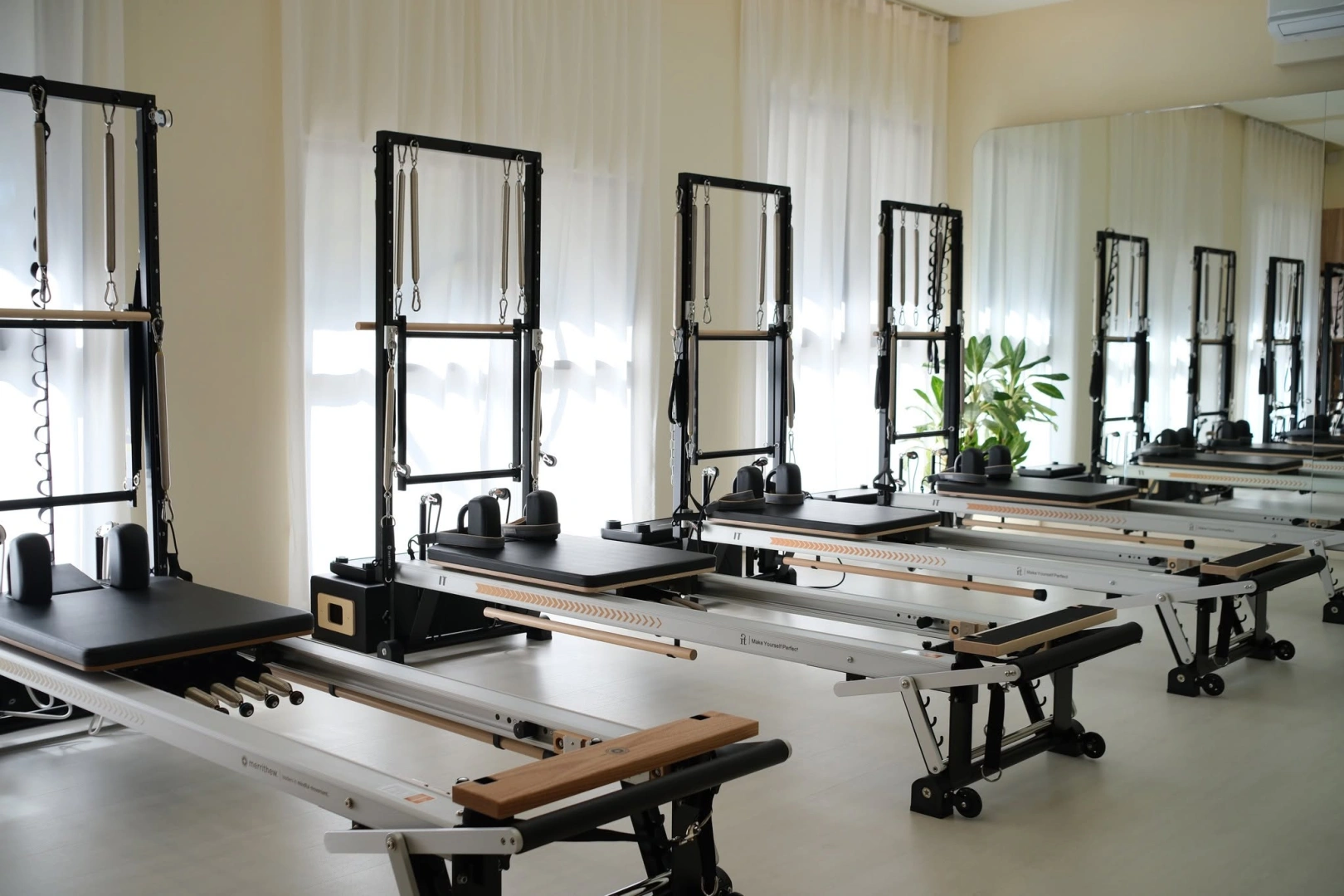
"I've never done this before. Which class should I start with?" People who want to try equipment Pilates often haven't decided between private sessions and group classes, and they're already worried about whether they'll keep up. CHÉNG Pilates starts with a conversation. Whether you exercise regularly, where you'd like to start and what times suit you can all be shared with the studio first. At the Taoyuan Yiwen studio, one-on-one sessions take place in a private room. The instructor watches how you breathe and move, then adjusts the equipment's resistance so you have time to feel each exercise.
Welcoming people this way takes care. This is especially true because CHÉNG has two studios, Taoyuan Yiwen and Zhunan Yiwen, each with its own classes and its own place to send inquiries. After a student talks through what they need, the studio still has to match them with the right class, instructor and time. For the studio, when the location, class and instructor that have been confirmed can all be looked up in one place, the colleague who takes over can pick up from the last arrangement.
Booking Equipment Pilates for the First Time? Start by Sorting Out What You Want to Work On
If you'd like an instructor to take time to watch how you move, you can start with one-on-one equipment Pilates. If you'd like to train with a friend, the Taoyuan Yiwen studio also offers one-on-two sessions, so you can ask the instructor how a session for two would work. If you're interested in GYROTONIC®, you can read the class description first to learn how it uses spiral, flowing movements to build coordination. The Zhunan Yiwen studio offers one-on-one sessions and small-group classes, and first-timers can contact that studio directly.
CHÉNG's website points first-time students to each studio's LINE Official Account to start the conversation. The studio has also turned on OmceanBooking's Pre-Class Questionnaire. If it wants to gather information before a class is booked, it can ask students to fill in their exercise experience, what they want to work on and anything to watch out for. Instructors have something to read when preparing for class. Instead of asking for the basics all over again, the first conversation can go straight to what the student really cares about.
Taoyuan and Zhunan Each Have Their Own Schedule, So Staff on the Next Shift Know Where a Class Is
When you run two studios, answering "Is there anything free on Saturday afternoon?" means first knowing which studio the person wants and whether they're looking for a private session or a small-group class. Even at the same time, each studio may have different instructors and spots available. With Multi-Location Management and different booking types, the team can manage schedules by location. Private sessions are scheduled in the gaps instructors make available, and small-group classes are managed by session and number of spots.
Instructors also have their own schedules to keep track of. Once Google Calendar is connected, they can see the relevant bookings alongside their existing plans. CHÉNG has also turned on Instructor Self Check-In. Once the studio sets up a check-in device, instructors can scan a code to record their working hours. When admin staff check the numbers at the end of the month, there's a record to look back on.
A Small-Group Equipment Class Is Full. How Do You Fill a Spot When Someone Cancels?
People often want a fixed time slot because it already has its own place in their lives. If the Wednesday after-work class is full, switching to Thursday may not work. For the front desk, if someone cancels at the last minute during the busiest time of day, staff may not have time to find another student to fill the spot.
Once a class has a Waitlist, students who want to attend can sign up first, and spots are filled based on the studio's settings when someone cancels. The team checks the same list to see who's waiting. When planning the next schedule, the studio can also use Operations Reports to look at actual bookings and attendance, then decide which time slots need an extra class.
Want to Keep Going After a Trial Class? See Clearly How Plans Work First
After a trial class, students who want to keep training usually want to know which classes they can book and how long they have to use them. With Online Payment and class pass terms, the studio can spell out this information before purchase.
Sometimes work gets busy for a few weeks, and a student just wants to know whether they can pick up where they left off. If the studio approves an extension under its rules, it can use Account Pause to adjust the expiry date of the class pass, so the colleague who takes over can find the new date. If the studio pays commission on class pass or product sales, it can also check commission records against transactions based on its settings, instead of digging back through chat messages at the end of the month.
Equipment Pilates Booking System FAQ
There are only so many Reformers. How do we avoid signing up too many people for a group class?
The studio can use Equipment Management to list the Reformer as equipment the class needs, and set the number of spots based on how many are available. If a Reformer needs to be kept free for a private session at the same time, the availability of shared equipment can be taken into account when scheduling group classes.
Can two Pilates studios each set their own booking and payment rules?
Yes. With Multi-Location Management turned on, supported settings can be adjusted by location. For example, if one studio mainly offers private sessions and the other runs regular small-group classes, the team can set up the booking process for each studio's class types and explain payment methods at each studio's booking link.
Can a one-on-one trial and a regular private session have different lengths?
Yes. One-on-One Booking lets you set the length and available time slots for each service. If a first meeting includes talking about exercise experience and going through a few basic movements, the trial session can be given more time, while regular sessions follow the usual class rhythm.
If I buy a class pass, can I use it at the other studio?
That depends on the plan rules the studio publishes. Studios with several locations can explain before purchase which locations, class types and validity periods apply. Students sometimes want to train near work on weekdays and at the other location on weekends. Checking first whether their plan covers this saves having to rebook.
A Few Minutes Before Class Ends to Go Through It Once More
Some people taking their first equipment class are so busy remembering to breathe in and out that they forget where their feet were supposed to go. If the instructor has time, they can go through the movement with the student once more before class ends, and talk about which movement feels more comfortable now.
If you also run a Pilates studio, bring the one thing that takes the most time to check each day and let's talk. Maybe people reschedule at both locations, and every change has to be checked before shift handover. Or maybe there are never enough Reformers in the evening, and scheduling means looking at instructors and equipment at the same time. Sort that one thing out first, and instructors can spend those few minutes in the studio.
Book a consultation now | Try OmceanBooking for free
Want to Try Equipment Pilates? Talk With CHÉNG First
If you're still deciding between private sessions and small-group classes, or want to come with a friend, start by telling CHÉNG how you usually exercise and what you'd like to try this time. Pick the studio that's easiest for you to get to, and ask which class types and times suit you. On your first visit, get familiar with the equipment and follow the instructor through a few movements, and you're on your way.
See the Taoyuan Yiwen studio's trial process | See the Zhunan Yiwen studio's classes and booking
Was this article helpful?
